R
Rebecca
"Amazing staff!! Always willing to go above and beyond! Highly recommend"
DMHBH provides specialized trauma therapy treatment at our Arcadia and Port Charlotte, Florida locations. Our PTSD treatment program uses evidence-based approaches including trauma-focused cognitive behavioral therapy and EMDR within a structured intensive outpatient setting. We serve patients throughout Arcadia, Port Charlotte, Punta Gorda, and DeSoto and Charlotte Counties. Our compassionate team helps you process trauma, regain control, and work toward lasting healing.
Post-Traumatic Stress Disorder (PTSD) is a mental health condition triggered by experiencing or witnessing a traumatic event. While it's natural to feel stress or fear after such events, PTSD develops when these feelings persist and intensify over time, disrupting daily life. Common causes of PTSD include combat exposure, physical or sexual assault, natural disasters, severe accidents, or the sudden loss of a loved one.
PTSD affects the brain's ability to process and recover from traumatic memories, often leading to heightened fear responses and emotional dysregulation. It is important to understand that PTSD is not a sign of weakness—it's a complex condition rooted in the way the brain and body respond to extreme stress.
At DeSoto Memorial Hospital, we specialize in evidence-based approaches to PTSD treatment. Our trauma-intensive outpatient program focuses on helping individuals process their experiences in a safe and supportive environment. Through personalized care, we aim to reduce the impact of trauma and empower patients to regain control over their mental health and well-being.
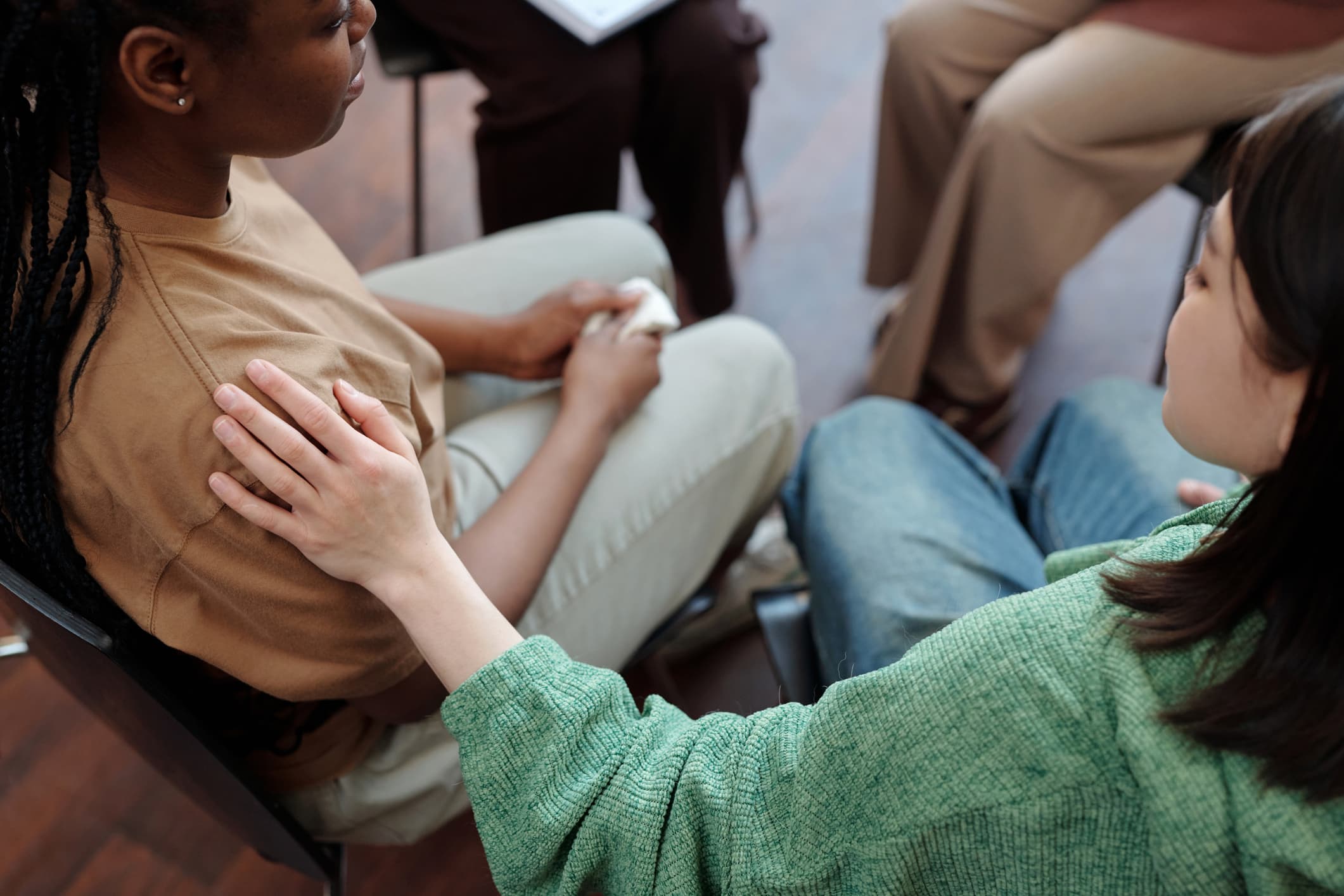
PTSD can profoundly disrupt daily life, making even simple tasks feel overwhelming. For many individuals, intrusive memories or flashbacks can interrupt work, school, or social activities, leaving them feeling disconnected from others. Avoidance behaviors often isolate individuals from loved ones and lead to missed opportunities for connection and support.
The condition can also strain relationships, as irritability, anger, or emotional numbness make it difficult to maintain meaningful interactions. Sleep disturbances, a common symptom of PTSD, often result in chronic fatigue and reduced productivity, further compounding stress and frustration.
Intrusive memories or flashbacks can interrupt work, school, or social activities, making it difficult to focus and maintain productivity.
Irritability, anger, or emotional numbness can strain relationships and make it difficult to maintain meaningful interactions with loved ones.
Sleep disturbances often result in chronic fatigue and reduced productivity, further compounding stress and frustration.
Avoidance behaviors often isolate individuals from loved ones and lead to missed opportunities for connection and support.
Without treatment, PTSD can contribute to the development of other mental health conditions, such as anxiety, depression, or substance abuse. However, with the right support, it is possible to manage and reduce the impact of PTSD. At DeSoto Memorial Hospital, our outpatient trauma therapy provides practical tools and coping strategies to help individuals rebuild their lives and restore a sense of normalcy. Through our PTSD programs, patients can work toward healing while maintaining their daily responsibilities.
PTSD symptoms can vary widely but typically fall into four categories:
Flashbacks, nightmares, or distressing memories related to the trauma that can appear suddenly and feel overwhelming.
Avoiding people, places, or activities that remind you of the traumatic event, which can lead to social isolation.
Persistent feelings of guilt, shame, or detachment from others, along with negative thoughts about yourself or the world.
Being easily startled, experiencing irritability, or having difficulty concentrating or sleeping, often leading to hypervigilance.
These symptoms can emerge soon after the trauma or develop months or even years later. If left untreated, PTSD can significantly impact your emotional and physical health.
If you recognize yourself in these categories but are not sure whether what you are experiencing rises to PTSD, a good first step is to take our free trauma test, a brief, confidential self-assessment that scores post-traumatic stress and complex trauma separately. For a deeper, PTSD-specific score, our PCL-5 PTSD self-assessment follows the instrument clinicians use.
Post-Traumatic Stress Disorder (PTSD) often co-occurs with other mental health conditions, creating a complex web of challenges that can be difficult to navigate without professional support. Common co-occurring conditions include anxiety disorders, depression, and substance use disorders, which frequently develop as individuals attempt to cope with the overwhelming symptoms of PTSD.
For example, persistent hyperarousal and intrusive thoughts can contribute to generalized anxiety or panic attacks, while feelings of hopelessness and isolation may lead to depression. Many individuals with PTSD also turn to substances as a way to self-medicate, which can escalate into dependency over time. Additionally, PTSD is closely linked with physical health issues such as chronic pain and cardiovascular problems, further complicating recovery.
Recognizing the interplay between PTSD and other conditions is essential for effective treatment. At DeSoto Memorial Hospital, our trauma-intensive outpatient program takes an integrated approach to care. By addressing both PTSD and co-occurring conditions simultaneously, we provide comprehensive support that promotes long-term healing and overall wellness.
We understand that every individual's journey with PTSD is unique. Our PTSD Intensive Outpatient Program (IOP) offers a holistic and personalized approach to trauma recovery, focusing on the mind, body, and spirit.
Our program combines Cognitive Behavioral Therapy (CBT) and Eye Movement Desensitization and Reprocessing (EMDR) with mindfulness techniques and stress management strategies.
Unlike inpatient programs, our outpatient trauma therapy allows you to receive high-quality care while continuing with your daily responsibilities.
We collaborate with you to create a tailored treatment plan that addresses your unique challenges and empowers you to overcome the impact of trauma.
You'll work with an experienced team of mental health professionals dedicated to your recovery and building a brighter future.
Get our monthly newsletter to stay informed on the latest in behavioral health, including insights and upcoming events. Stay connected and support mental wellness in our community!
Our PTSD outpatient program is ideal for individuals struggling with the symptoms of PTSD who do not require 24/7 supervision. This includes those seeking to process trauma, improve coping skills, and address co-occurring conditions like anxiety or depression while continuing to live at home.
Our PTSD IOP incorporates evidence-based therapies such as Cognitive Behavioral Therapy (CBT), Eye Movement Desensitization and Reprocessing (EMDR), and mindfulness practices. These therapies are tailored to help patients process trauma, reduce intrusive symptoms, and develop practical coping strategies.
The duration of our PTSD IOP varies depending on individual needs and treatment progress. Most programs run for several weeks, with patients attending therapy sessions multiple times per week. During your initial assessment, we'll develop a personalized plan that outlines your expected timeline.
Yes, our PTSD IOP takes an integrated approach to care, addressing both PTSD and co-occurring conditions such as anxiety, depression, or substance use disorders. Treating these challenges simultaneously ensures comprehensive support and promotes long-term recovery.
Family involvement is encouraged and can play a vital role in your recovery. Through family counseling sessions, we help loved ones better understand PTSD and learn how to provide meaningful support, fostering healthier relationships and a stronger support system.
Ready to take the next step? We're here to help. Reach out to us for more information or to schedule an appointment.
Fill out the form below and we'll get back to you within 24 hours.
4161 Tamiami Trail, Unit 302
Port Charlotte, FL 33952
(941) 766-0171
Mon-Fri: 8:00 AM - 6:00 PM
900 N Robert Ave, 3rd Floor
Arcadia, FL 34266
(863) 491-4309
Mon-Fri: 8:00 AM - 6:00 PM
If you or someone you know is in immediate danger:
Call 911
Or call the Florida 24/7 Crisis Lifeline: 988
Taking the first step toward recovery is courageous. At DeSoto Memorial Hospital, we are here to support you every step of the way. Contact us today to learn more about our Intensive Outpatient Program.