Outpatient Therapy
DMHBHOffice-based · 1–2 hrs/week
Weekly individual or group therapy. Good for maintenance, early-stage concerns, or step-down care.
- Medical
- Work
- Detox
Dual Diagnosis · Integrated Outpatient Care · Southwest Florida
When substance use and mental health conditions happen together — which they often do — treating them separately rarely works. Our outpatient programs in Port Charlotte and Arcadia treat both, as one plan, with hospital-level clinical coordination.

Definition
Also called: Co-occurring disorder, COD
A dual diagnosis is when a person has both a substance use disorder and a mental health disorder at the same time. The two conditions interact — mental illness often drives substance use, and substance use frequently worsens mental health symptoms. Integrated treatment addresses both conditions together, in one plan, at the same time.
About 21.5 million US adults live with co-occurring disorders. Common pairings include alcohol use disorder with depression, opioid use disorder with PTSD, and benzodiazepine dependence with an anxiety disorder. Research is clear: when both conditions are treated simultaneously by the same clinical team, outcomes are better than when either is treated alone.
At DMHBH, integrated treatment is the default — not a separate track. Your therapist, your medical coordination, and your recovery plan all work from one picture of what’s actually happening.
Each substance comes with its own clinical nuances — MAT for opioids, safe tapering for benzos, medication coordination for alcohol, ADHD integration for prescription stimulants. Explore the program that matches your situation:
Outpatient treatment for Alcohol Use Disorder alongside depression, anxiety, PTSD, or trauma — as one plan, not two.
Explore this programFDA-approved Suboxone and Vivitrol MAT, evidence-based therapy, and integrated care for co-occurring mental health conditions.
Explore this programMedically coordinated tapering and anxiety care for Xanax, Klonopin, Ativan, and Valium dependence.
Explore this programOutpatient care for Adderall, stimulant, and other prescription drug addiction — including the ADHD, anxiety, or insomnia underneath it.
Explore this programAddiction care is a spectrum — outpatient isn’t always the right first step. Here’s how the levels compare, and where DMHBH fits.
| Level of Care | Hours / Week | Medical Oversight | Keep Working? | Safe for Detox? |
|---|---|---|---|---|
Outpatient TherapyDMHBHOffice-based Weekly individual or group therapy. Good for maintenance, early-stage concerns, or step-down care. Our outpatient therapy services | 1–2 hrs | Sometimes | Yes | No |
Intensive Outpatient (IOP)DMHBHOffice-based, structured Multi-day group and individual sessions with coordinated medical care. The standard for dual-diagnosis outpatient recovery. Our IOP program | 9–15 hrs | Yes | Yes | Sometimes |
Partial Hospitalization (PHP)Day program Near-daily structured care without overnight stay. A step between inpatient and IOP. | 20+ hrs | Yes | No | Sometimes |
Residential / InpatientLive-in facility Round-the-clock care. Best for severe dependence, unstable medical status, or when home environment is unsafe. | 24/7 | Yes | No | Yes |
Medical Detox / HospitalHospital Short-term medical stabilization for severe withdrawal (alcohol DTs, seizures, high-dose benzo/opioid withdrawal). Usually 3–7 days. | 24/7 | Yes | No | Yes |
Office-based · 1–2 hrs/week
Weekly individual or group therapy. Good for maintenance, early-stage concerns, or step-down care.
Office-based, structured · 9–15 hrs/week
Multi-day group and individual sessions with coordinated medical care. The standard for dual-diagnosis outpatient recovery.
Day program · 20+ hrs/week
Near-daily structured care without overnight stay. A step between inpatient and IOP.
Live-in facility · 24/7/week
Round-the-clock care. Best for severe dependence, unstable medical status, or when home environment is unsafe.
Hospital · 24/7/week
Short-term medical stabilization for severe withdrawal (alcohol DTs, seizures, high-dose benzo/opioid withdrawal). Usually 3–7 days.
DMHBH offers Outpatient Therapy and Intensive Outpatient (IOP) care. If you need a higher level of care first, we’ll help you find it — and support your transition back to outpatient when you’re ready.
Every plan is personalized. These are the research-backed modalities we draw from to treat substance use and mental health together.
CBT
Identify and change the thought patterns that drive substance use and co-occurring mood or anxiety symptoms.
DBT
Skills-based therapy for emotional regulation, distress tolerance, and relationship patterns that fuel addiction.
MI
A collaborative, non-confrontational conversation style that helps you find your own reasons for change.
MAT
FDA-approved medications — such as Suboxone and Vivitrol for opioid use — combined with therapy to reduce cravings and stabilize recovery.
TIC
An approach that recognizes how past trauma shapes present behavior — safe, paced, and grounded in your consent and control.
FST
Because recovery happens in relationships. We help families understand, set healthy limits, and heal together.
Co-occurring disorders are far more common than most people realize — and the overlap between mental illness and substance use is the rule, not the exception.
21.5M
US adults with co-occurring mental illness and substance use
That’s roughly 1 in 12 American adults. Of those, only a fraction receive treatment for both conditions — and treating one without the other is linked to worse long-term outcomes.
Source: SAMHSA 2023 NSDUH~50%
Of people with a severe mental illness also have a substance use disorder
The overlap goes both directions. Severe depression, bipolar disorder, and PTSD all significantly elevate the risk of developing a co-occurring SUD.
Source: NIMH — Substance Use & Mental HealthBetter
Outcomes when both conditions are treated at the same time
Integrated treatment — one team, one plan — consistently outperforms sequential or separate treatment in research studies. That’s the standard we practice.
Source: NIDA — Common ComorbiditiesPart of the DeSoto Memorial Hospital System
DeSoto Memorial Hospital Behavioral Health is not a stand-alone rehab. We're the outpatient behavioral health program of DeSoto Memorial Hospital — a non-profit community hospital — which means your care is coordinated, medically informed, and grounded in the integrity of a hospital system.
Medical coordination built into every treatment plan, with access to a full hospital system when care needs extend beyond behavioral health.
Our focus is your recovery, not shareholder returns. DeSoto Memorial Hospital has served DeSoto County as a community hospital for decades.
Licensed therapists, physicians, nurses, and support staff who live and work in the communities they serve — Port Charlotte and Arcadia.
Our free, confidential screenings are based on clinical criteria. Take one (or a few) — then call us to talk through your results. No obligation, no email required.
DSM-5-based substance use disorder screening. Alcohol, drugs, prescription meds.
Start screeningA brief screener for generalized anxiety, panic, and social anxiety patterns.
Start screeningScreen for the depressive symptoms that often co-occur with addiction.
Start screeningAdult ADHD screening — often the condition underneath Adderall or stimulant misuse.
Start screeningBrief screening for bipolar mood patterns, which frequently co-occur with SUDs.
Start screeningObsessive-compulsive disorder screening — sometimes mistaken for anxiety.
Start screeningRelationship health check — because recovery happens in relationships.
Start screeningGet our monthly newsletter to stay informed on the latest in behavioral health, including insights and upcoming events. Stay connected and support mental wellness in our community!
Trusted outside resources for more information and crisis help, plus the related care at DMHBH that often goes together with dual-diagnosis recovery.
Free, confidential, 24/7 treatment referral and information service. English and Spanish.
1-800-662-HELP (4357)
www.samhsa.gov/find-help/national-helpline
Federal confidential treatment locator for substance use and mental health care nationwide.
findtreatment.gov
The federal agency on mental health and substance use — the authoritative resource on integrated treatment.
www.samhsa.gov/mental-health/mental-health-substance-use-co-occurring-disorders
24/7 free and confidential support for anyone in emotional distress or crisis — call or text 988.
988 (call or text)
988lifeline.org
The primary level of care for most people starting dual diagnosis treatment. Learn about schedule, structure, and what to expect.
Psychiatric evaluation, medication management, individual therapy, group therapy, and family therapy.
The most common mental health condition that co-occurs with substance use.
Anxiety and substance use often travel together — treating both is central to recovery.
Trauma is a leading driver of substance use. Our trauma-informed IOP helps untangle the two.
Addiction affects everyone in the home. Family counseling helps loved ones understand, support, and heal.
We accept a wide variety of insurance plans. Learn what we work with and how to verify coverage.
Two outpatient locations serving Port Charlotte, Arcadia, and surrounding Southwest Florida communities.
Port Charlotte, FL
Arcadia, FL
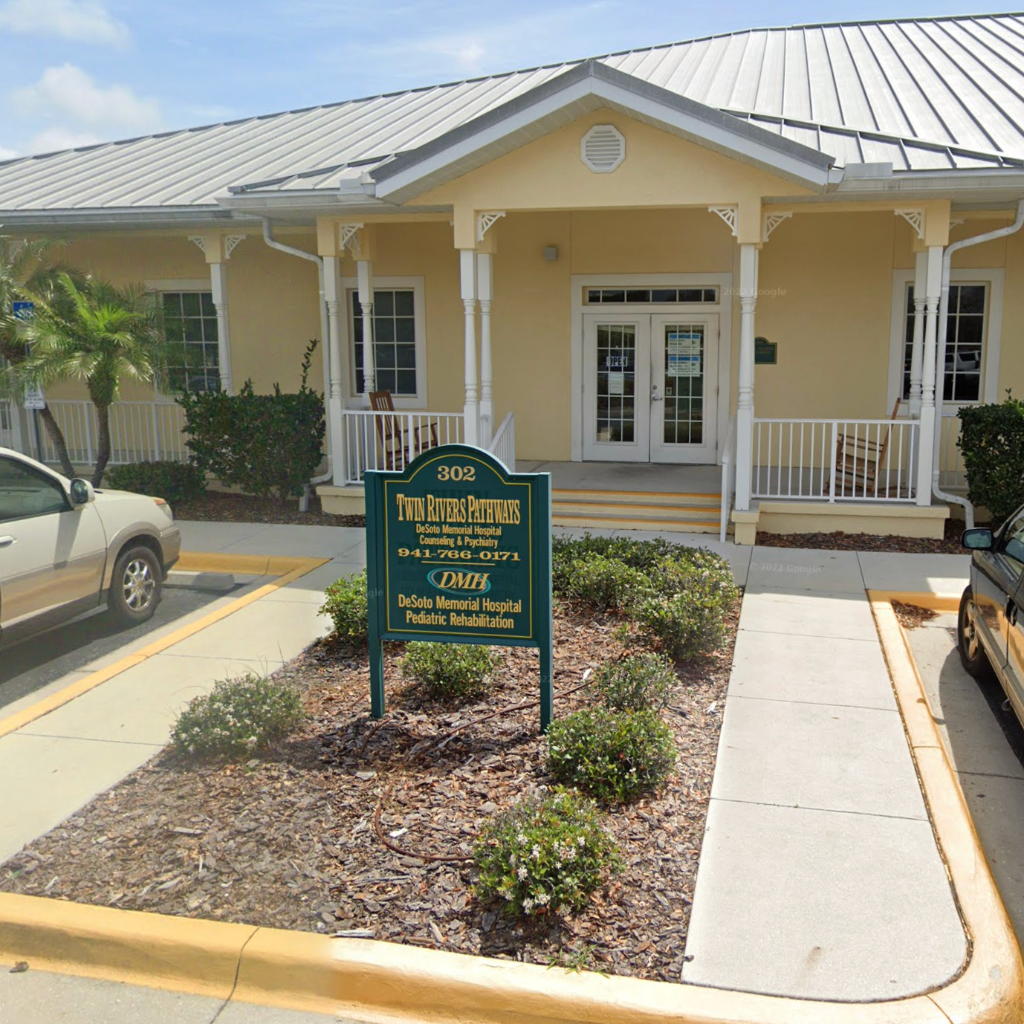
Our team is committed to the highest quality of care in a supportive, dignified environment. We’re here for every step of your recovery — on your timeline, on your terms.
Our licensed clinicians specialize in the complex interplay between substance use and mental health — not one or the other.
Two locations, outpatient-only scheduling, and coordination with your life — work, family, responsibilities.
A safe, non-judgmental space where you are treated with dignity and respect. You are never just a number here.
Ready to take the next step? We're here to help. Reach out to us for more information or to schedule an appointment.
Fill out the form below and we'll get back to you within 24 hours.
4161 Tamiami Trail, Unit 302
Port Charlotte, FL 33952
(941) 766-0171
Mon-Fri: 8:00 AM - 6:00 PM
900 N Robert Ave, 3rd Floor
Arcadia, FL 34266
(863) 491-4309
Mon-Fri: 8:00 AM - 6:00 PM
If you or someone you know is in immediate danger:
Call 911
Or call the Florida 24/7 Crisis Lifeline: 988
Taking the first step toward recovery is courageous. Call a location below — we’ll listen, talk through your situation, and help you figure out what comes next. No obligation.